

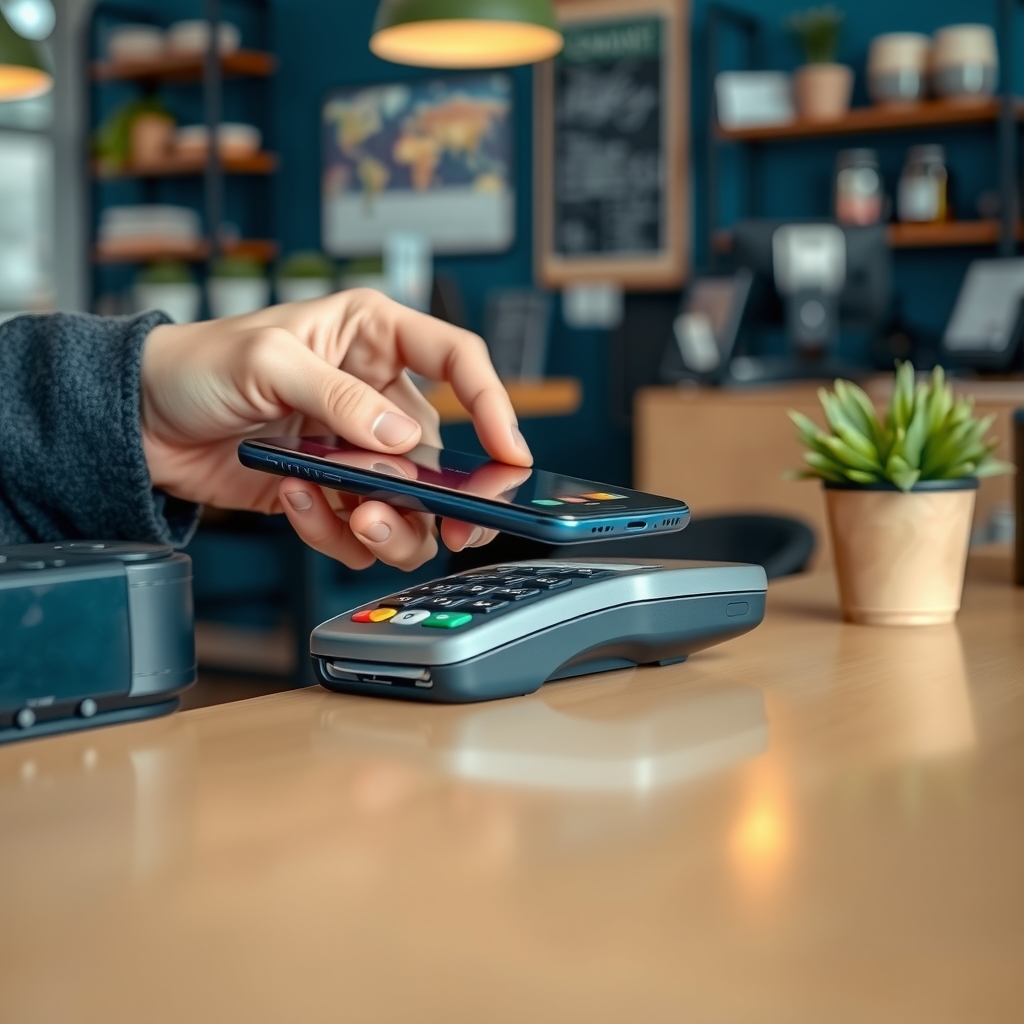
Tapping a card — or a phone, or a watch — has become the default way Australians pay for almost everything. It's fast, it's frictionless, and by and large it's safe. But not every way of tapping is equally safe, and a few small habits separate an inconvenience from a genuinely bad week.
Here's how contactless payments actually protect you, where the real risks are, and the safer way to set yourself up.
Your phone is safer than your card
It sounds backwards, but paying with a mobile wallet — Apple Pay, Google Wallet or Samsung Wallet — is more secure than tapping the physical card it's linked to. The wallet never transmits your real card number; it sends a one-off encrypted token, useless to anyone who intercepts it.
On top of that, every phone payment requires your face, fingerprint or PIN, while a stolen physical card can be tapped by anyone for transactions under $100 until you cancel it. If your phone is stolen, the wallet locks with the device — and you can wipe it remotely.
The real risks aren't what people fear
The popular fear — someone "skimming" your card through your pocket with a hidden reader — is largely a myth: contactless range is a few centimetres, transactions need a merchant terminal tied to a bank account, and card schemes reverse fraudulent taps.
The genuine risks are more mundane: a lost card tapped before you notice, a phone without a passcode, card details typed into a fake website, or a scammer talking you into reading out a one-time code. Contactless isn't the weak point — the surrounding habits are.
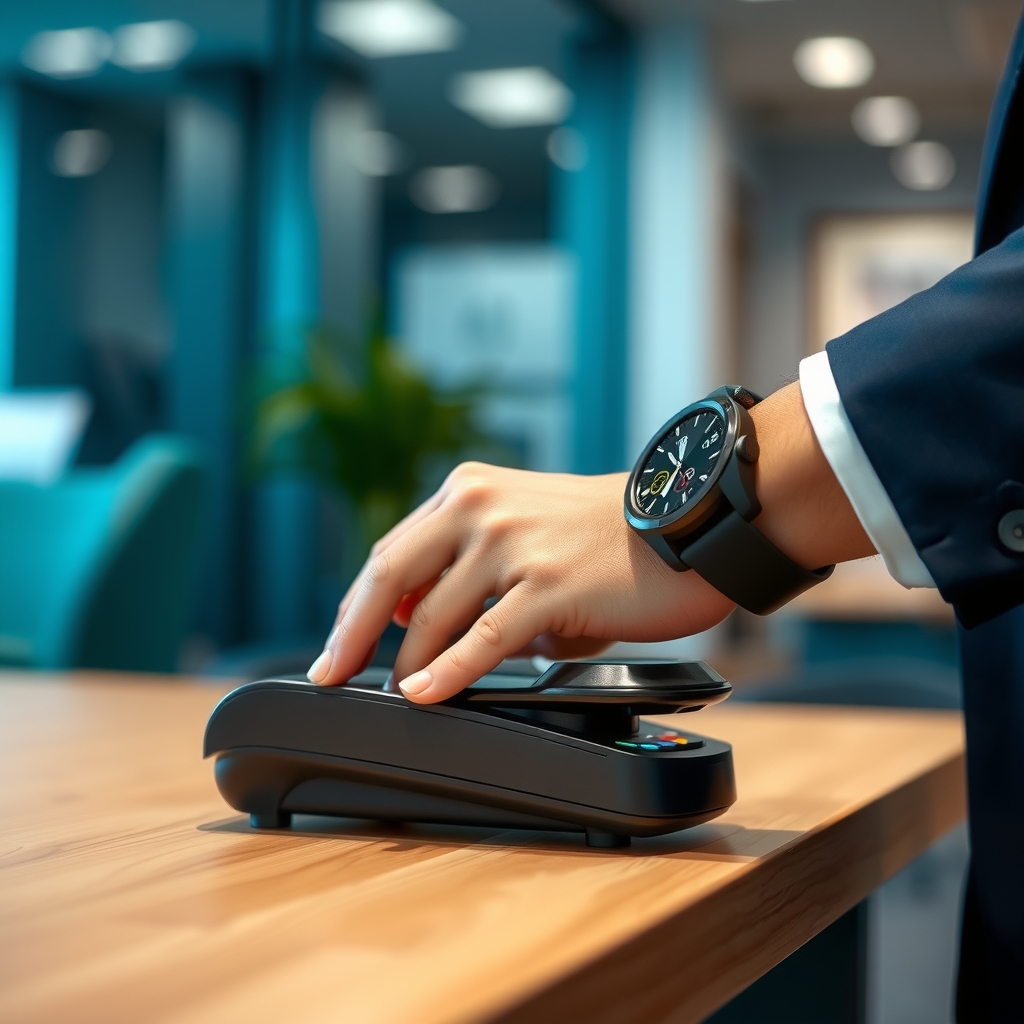
Five habits that close the gap
A few minutes of setup buys most of the available protection:
If something does go wrong
Australian cardholders are well protected: report unauthorised transactions promptly and, under the ePayments Code, you generally aren't liable for fraud you didn't contribute to. Lock the card in your app first, then call the bank — the sooner it's flagged, the cleaner the reversal.
The takeaway isn't to fear the tap. It's that thirty minutes spent setting up your wallet, notifications and card controls makes the most convenient way to pay also the safest one.
Key takeaways
Any investment information and general advice displayed or given on this website does not take into account any person's personal objectives or financial situation. You should consider the general advice having regard to your own circumstances.